

If you're shopping for a used compact SUV in Pulaski, the Hyundai Tucson likely tops your list. At Duncan Suzuki, we help drivers throughout the Pulaski area understand which model years offer the best value and reliability before making this important investment.
The Hyundai Tucson averages a reliability score of 73 out of 100 across recent model years (2018-2026), earning a "Good" rating according to automotive reliability data. However, not all years are created equal. The 2021 Tucson leads the pack with a score of 78/100, while certain earlier years experienced higher complaint rates, particularly the 2016-2017 models. Understanding these year-to-year differences can save you thousands in potential repair costs and help you find a dependable used vehicle that fits your budget.
Key Highlight
The 2021 Hyundai Tucson ranks as the most reliable model year with a 78/100 reliability score, while 2020 and 2023-2025 models also show strong performance with fewer owner complaints per 10,000 vehicles sold.
This comprehensive guide examines Hyundai Tucson reliability ratings by year, identifies common problems across generations, highlights the best and worst years to buy, and provides maintenance insights to help Pulaski drivers make informed decisions. Whether you're considering a third-generation (2016-2021) or fourth-generation (2022-present) Tucson, we'll break down what you need to know.
Key Takeaways
- The Hyundai Tucson achieves an average reliability score of 73/100 across 2018-2026 model years, rated "Good" overall
- Best years to buy: 2021 (78/100), 2024 (77/100), and 2025 (75/100) show the strongest reliability ratings
- Avoid 2016-2017 models due to elevated engine and transmission complaints, with 2017 reporting 38.3 complaints per 10,000 sold
- Common issues include engine problems (2,245 complaints across all years), transmission concerns, and electrical faults
- Annual repair costs average $426, below the compact SUV category average, making it affordable to maintain
- Duncan Suzuki in Pulaski helps buyers identify well-maintained used Tucsons and provides thorough pre-purchase inspections—call (540) 440-5859
Hyundai Tucson Reliability Ratings: What Pulaski Drivers Should Know
The Hyundai Tucson's reliability varies significantly by model year, making it essential to research before purchasing. According to comprehensive NHTSA complaint data covering over 2 million vehicles, the Tucson averages 38.3 complaints per 10,000 vehicles sold across all years from 2005-2026. However, certain model years perform substantially better than this average, while others fall well below acceptable standards.
Consumer Reports predicts the 2026 Hyundai Tucson will be more reliable than the average new car, based on data from 2023-2025 models. The 2025 model year earned a "Good" reliability rating with 6 recalls and 251 owner complaints on file. While these numbers may seem high, they're actually within normal ranges for the compact SUV segment. The most commonly reported issues for 2025 models include forward collision avoidance system concerns (72 complaints), electrical system problems (67 complaints), and unspecified issues (40 complaints).
Overall Reliability Score
73/100 average across 2018-2026 model years, classified as "Good" performance
Annual Repair Costs
$426 average per year, below the compact SUV category average
Best Model Year
2021 Tucson leads with 78/100 reliability score and minimal complaints
At Duncan Suzuki, we help Pulaski area buyers navigate these reliability differences by providing detailed vehicle history reports and thorough mechanical inspections. Our team can identify which used Tucson models have been properly maintained and which years offer the best long-term value for your investment.
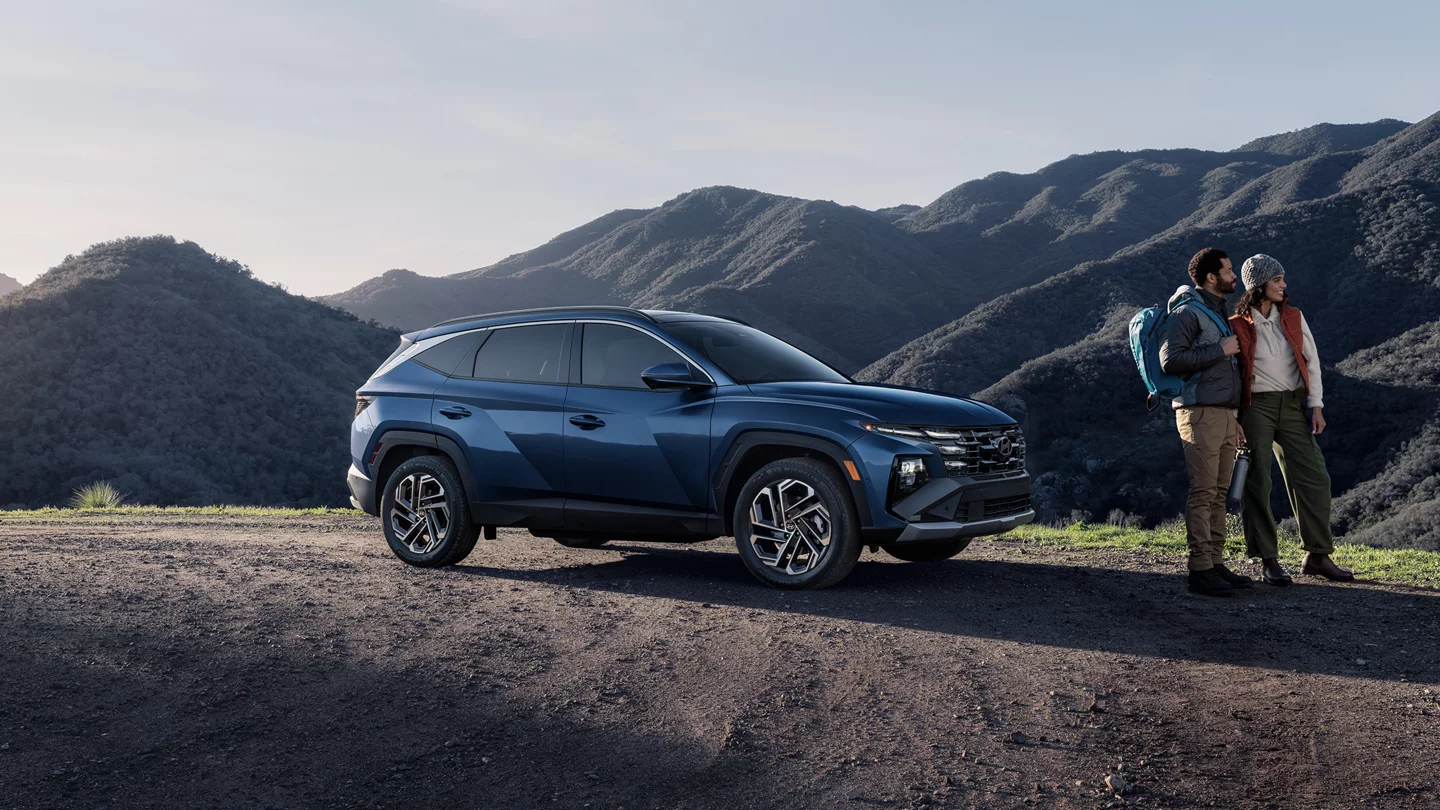
The Hyundai Tucson offers compelling value for used car buyers when you choose the right model year
Best and Worst Hyundai Tucson Years for Reliability
Understanding which Hyundai Tucson model years to pursue—and which to avoid—can make the difference between years of trouble-free driving and frequent repair shop visits. Based on comprehensive reliability data, complaint rates, and recall information, certain years stand out as exceptional values while others present significant risk.
| Model Year | Reliability Score | Complaints per 10K | Verdict |
|---|---|---|---|
| 2021 | 78/100 | Low | Best Buy |
| 2024 | 77/100 | Low | Excellent |
| 2020 | Good | 17.3 | Recommended |
| 2023 | Good | 14.0 | Solid Choice |
| 2019 | Average | 36.4 | Acceptable |
| 2017 | Poor | 38.3 | Avoid |
| 2016 | Poor | High | Avoid |
Top Recommended Years
The 2021 Hyundai Tucson represents the pinnacle of third-generation reliability, manufactured at the end of that generation's production run when Hyundai had resolved most earlier issues. With only 1 recall and 58 owner complaints filed, plus a reliability score of 78/100, the 2021 model offers exceptional value. The 2020 model year also performs admirably with just 17.3 complaints per 10,000 vehicles sold—significantly below the model's average. For buyers seeking newer technology, the 2024 and 2025 fourth-generation models score 77/100 and 75/100 respectively, showing that Hyundai's latest redesign maintains strong reliability standards.
Years to Avoid
The 2016 and 2017 Hyundai Tucson models should be avoided by used car buyers. These first-year examples of the third generation experienced the highest complaint rates, with 2017 reporting 38.3 complaints per 10,000 sold. Common problems include transmission hesitation, intermittent power delivery, engine stalling, and the serious ABS module fire hazard that affected multiple Hyundai models. The 2012 second-generation models also warrant caution due to engine oil pan leaks and ABS-related fire risks. If you're considering any of these years, contact Duncan Suzuki at (540) 440-5859 for a comprehensive pre-purchase inspection.
Common Hyundai Tucson Problems and Maintenance Considerations
While the Hyundai Tucson generally offers good reliability, certain issues appear more frequently across model years. Understanding these common problems helps Pulaski drivers budget for maintenance and identify potential red flags when shopping for used models. According to NHTSA data covering all Tucson years, engine problems top the list with 2,245 complaints and a 1.0% crash involvement rate.
Engine and Powertrain Issues
Engine problems represent the most significant concern across Hyundai Tucson model years, with 2,245 total complaints filed. Early fourth-generation models (2022-2023) experienced issues with the 2.5-liter naturally aspirated engine, including rough idling, hesitation during acceleration, and in some cases, premature engine failure. Hyundai issued Technical Service Bulletin (TSB) 23-EG-002 addressing engine knock and abnormal noise concerns. Transmission problems account for 1,153 complaints with a 2.3% crash involvement rate, particularly affecting 2016-2018 models with reports of shuddering during low-speed acceleration and delayed gear engagement. These issues often require software updates or, in severe cases, transmission fluid replacement or component repairs costing $1,500-$3,000.
Electrical and Safety System Concerns
Electrical system faults generated 638 complaints (2.5% crash rate), with 2025 models reporting 67 electrical complaints—the second-most common issue for that year. Problems include malfunctioning infotainment systems, battery drain, and sensor failures. Forward collision avoidance system issues led complaints for 2025 models with 72 reports, prompting Hyundai to recall certain 2025-2026 Tucson models due to front camera software that may cause premature brake activation. The fuel system accounts for 356 complaints, while brake-related issues total 335 complaints with a concerning 9.6% crash involvement rate. Regular maintenance at Duncan Suzuki's service center can help identify and address these concerns before they become serious problems.
What Should I Look for in a Used Hyundai Tucson?
When shopping for a used Tucson, verify that all recalls have been completed—particularly the critical ABS module fire hazard recall affecting 2016-2017 and 2012 models. Request complete service records showing regular oil changes every 5,000-7,500 miles and transmission fluid changes according to Hyundai's schedule. Test drive the vehicle and listen for unusual engine noises, transmission hesitation, or rough shifting. Check all electrical systems including infotainment, climate control, and safety features. For 2022-2023 models, confirm that any TSB-related software updates have been applied. Our team at Duncan Suzuki thoroughly inspects every used vehicle and can provide detailed reports on any Tucson you're considering.
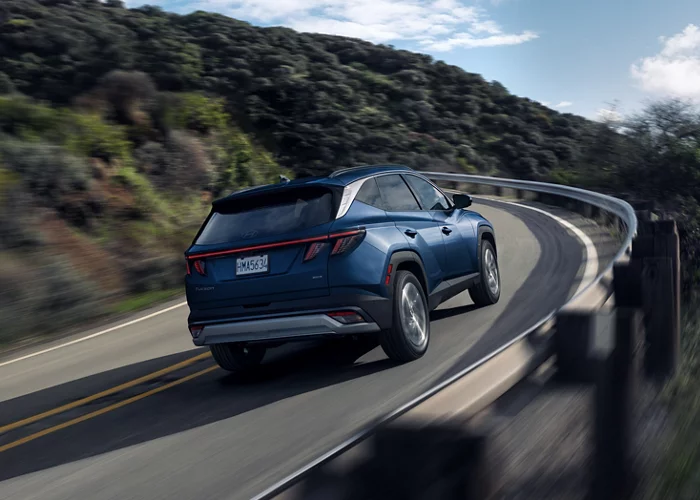
Modern Tucson models offer advanced technology and comfort when properly maintained
How Does Hyundai Tucson Reliability Compare to Competitors?
Understanding how the Hyundai Tucson stacks up against competitors like the Honda CR-V, Toyota RAV4, and Mazda CX-5 helps Pulaski buyers make informed decisions. While the Tucson offers compelling value and features, its reliability ratings fall slightly below segment leaders but remain competitive with proper maintenance and careful year selection.
| Model | Reliability Rating | Avg. Annual Repairs | Common Issues |
|---|---|---|---|
| Toyota RAV4 | Excellent (85/100) | $429 | Minimal |
| Honda CR-V | Very Good (80/100) | $407 | Oil dilution (older) |
| Mazda CX-5 | Very Good (78/100) | $447 | Paint, minor electrical |
| Hyundai Tucson | Good (73/100) | $426 | Engine, transmission (varies by year) |
| Nissan Rogue | Average (68/100) | $467 | CVT transmission |
The Tucson's average reliability score of 73/100 places it in the middle of the compact SUV segment. While it doesn't match the exceptional reliability of the Toyota RAV4 or Honda CR-V, it offers competitive repair costs at $426 annually—lower than both the Mazda CX-5 ($447) and Nissan Rogue ($467). The key advantage for Tucson buyers is value: these vehicles typically cost $2,000-$4,000 less than comparable CR-V or RAV4 models in the used market, and Hyundai's generous warranty coverage (5-year/60,000-mile basic, 10-year/100,000-mile powertrain for original owners) provides additional peace of mind.
How Long Does a Hyundai Tucson Last?
With proper maintenance, a Hyundai Tucson can reliably reach 200,000-250,000 miles. The key factors determining longevity include selecting a reliable model year (2020, 2021, or 2023-2025), following Hyundai's maintenance schedule religiously, and addressing any recalls or TSBs promptly. Owners who perform oil changes every 5,000 miles, replace transmission fluid at recommended intervals, and maintain cooling system components report the longest lifespans. Third-generation models (2016-2021) with the 2.4-liter engine generally outlast those with the turbocharged 1.6-liter option. Fourth-generation models (2022-present) are too new to establish long-term durability patterns, but early indicators suggest improved reliability over problematic 2016-2017 years.
Find Your Reliable Hyundai Tucson at Duncan Suzuki in Pulaski
At Duncan Suzuki, we understand that buying a used vehicle requires confidence in its reliability and history. Our team carefully evaluates every Hyundai Tucson that arrives at our Pulaski dealership, focusing on the model years with proven track records and ensuring all recalls and service bulletins have been addressed. Whether you're interested in a 2021 Tucson with its top-tier 78/100 reliability score or a newer 2024-2025 model with the latest technology, we'll help you find the right fit for your needs and budget.
We provide comprehensive vehicle history reports, detailed mechanical inspections, and transparent information about any past issues or repairs. Our service department at 1001 E Main St Pulaski, VA 24301-5217 can handle all your Tucson maintenance needs, from routine oil changes to more complex engine or transmission work. We stock genuine Hyundai parts and employ technicians trained specifically on Tucson systems, ensuring your vehicle receives expert care throughout its lifespan.
Ready to explore reliable Hyundai Tucson options? Visit Duncan Suzuki in Pulaski today or call us at (540) 440-5859 to speak with our knowledgeable sales team. We'll answer your questions about specific model years, help you understand warranty coverage, and arrange a test drive so you can experience the Tucson's capabilities firsthand. Let us help you find a dependable compact SUV that will serve you well for years to come.